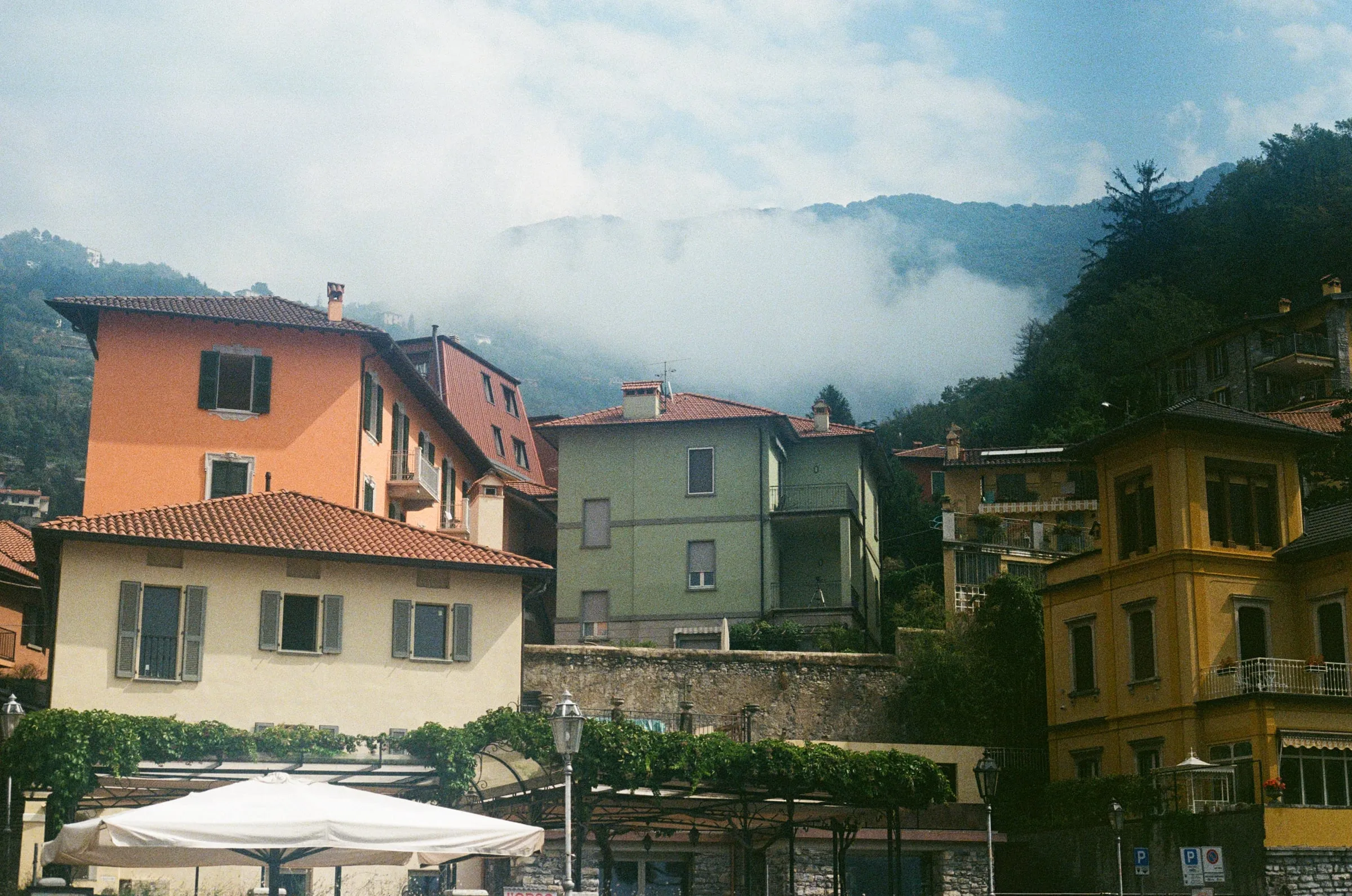
In a world that’s all digital and instant, more and more photographers, me included, are going back to shooting 35mm film. It isn’t nostalgia. There’s something about the slow process, the limit of 24 or 36 exposures, and not knowing what you got until you see the results, that teaches you to shoot differently. Here’s everything you need to know to get started.
Why shoot film in the digital age at all?
Digital gives you a thousand tries and instant correction. Film gives you discipline: you think before you press the shutter, because every frame costs money and you only have so many. The result is organic grain, colors, and dynamic range that are hard to recreate digitally, even with a lot of editing. It’s a different kind of creating, not a replacement for digital but an addition to it.
Which film camera should you start with?
You don’t need an expensive camera to start. Classic SLRs like the Canon AE-1, Pentax K1000, or Nikon FM2 are easy to find secondhand at reasonable prices, mechanically simple, and built to last. If you want something compact that fits in a pocket, ’90s point-and-shoots (Olympus Mju, Contax T2) are a great option, but they cost more because they’re in high demand.
Which film should you choose?
For everyday shooting, Kodak Gold 200 or Fujifilm 200 give you a warm look and forgive exposure mistakes. For portraits and couples, Kodak Portra 400 is the classic choice: soft, natural skin tones, fine grain, and a lot of exposure latitude. For black and white, Ilford HP5 is the industry standard and very flexible across different lighting conditions.

The process: from shooting to a photo in your hands
- Shooting: every frame counts and there’s no screen to check. You trust your exposure and your instinct.
- Developing: the film gets chemically developed at a lab. I develop my film at Interphoto in Tel Aviv, one of the oldest and most reliable labs in Israel for developing and scanning film, both color and black and white.
- Scanning: after developing, the film is scanned into a high-quality digital file, so you can edit and share it like any digital photo.
- Printing (optional): most labs also let you order prints from the negatives along with the scans.
What does it actually cost?
A roll of 35mm film with 36 exposures usually costs between 40 and 90 shekels, depending on the stock. Developing and scanning at the lab add to that. It’s a real financial factor compared to digital, but for the results, in my opinion, it’s worth every shekel.
Have questions about film photography, or want to try a portrait session on film? Let’s talk, I’m happy to share what I’ve learned.